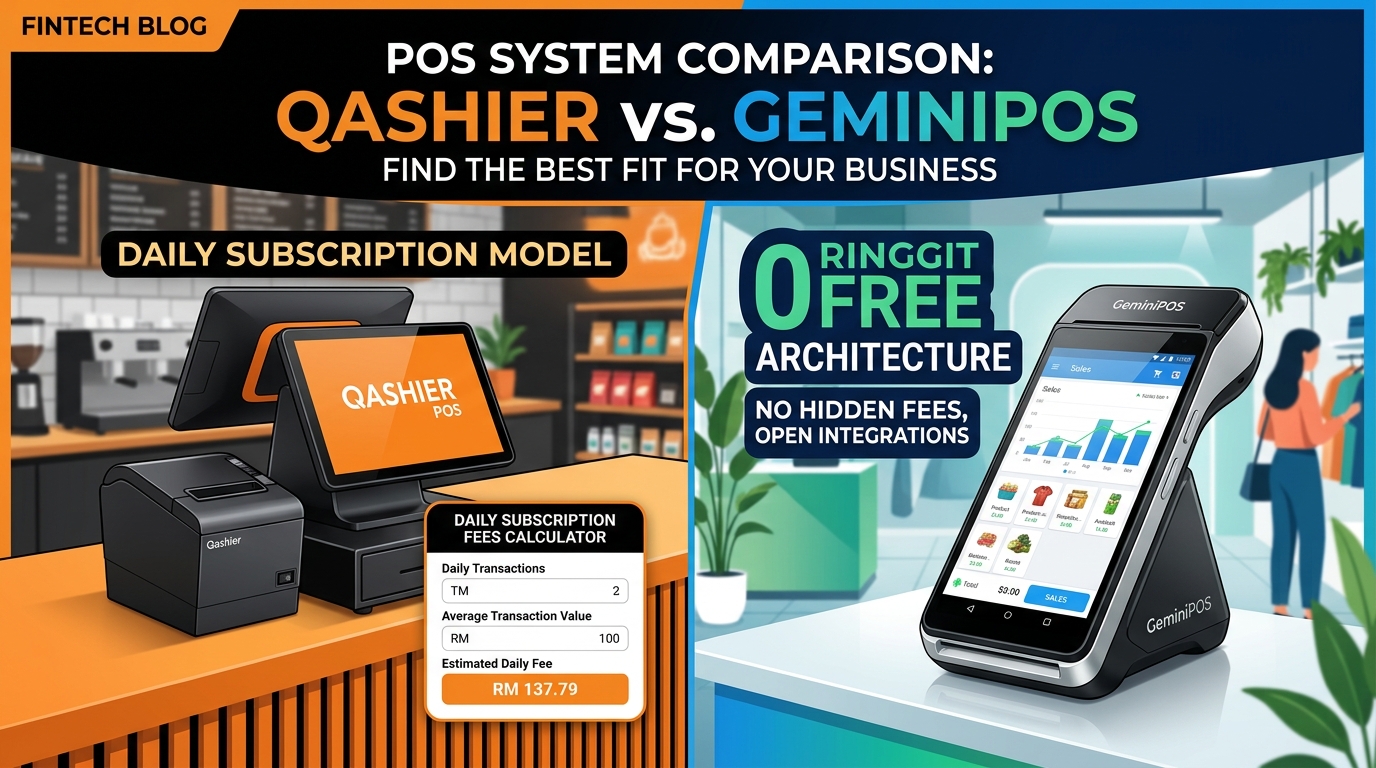
"Why are modern retail merchants increasingly rebelling against the daily micro-subscription pricing model in point-of-sale systems?"
Over the past five years, a prominent segment of fintech POS vendors introduced "daily fee" pricing structures (e.g. charging $1.50 to $2.50 per day rather than visible monthly or annual invoices).
While framed as cash-flow-friendly for fledgling businesses, this micro-billing paradigm masks compounding software overhead and introduces critical operational vulnerabilities through proprietary firmware lock-in.
Here is an architectural and financial analysis evaluating proprietary micro-subscription point of sale models against open-architecture retail platforms.
---
1. The Micro-Subscription Compounding Curve
When software access is partitioned into sub-$3 daily increments, merchants often fail to evaluate multi-year expenditure:
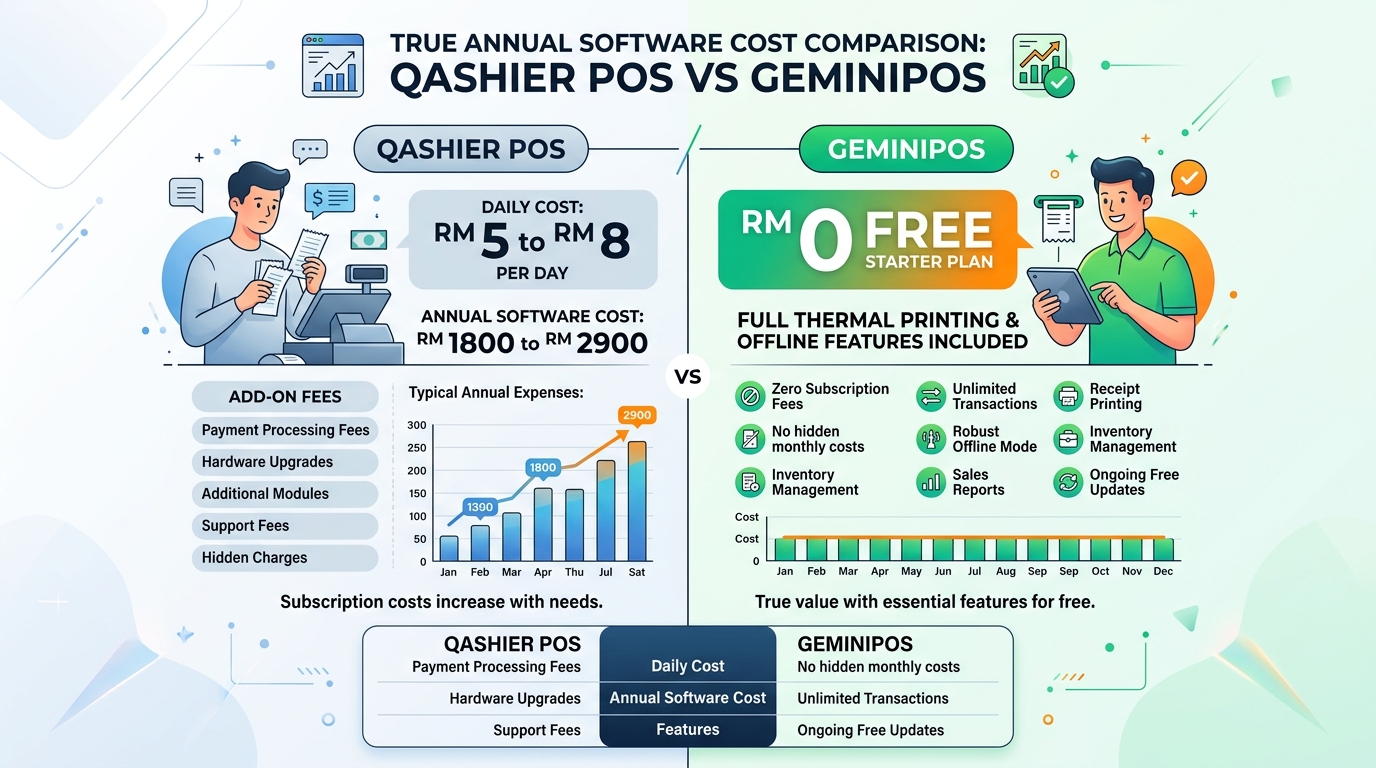
Operating Timeline · $2.00 / Day Model · Open-Architecture Free Tier (GeminiPOS)
30 Days · $60.00 · $0.00
365 Days (1 Year) · $730.00 · $0.00
1,095 Days (3 Years) · $2,190.00 · $0.00
5-Terminal Franchise (3 Years) · $10,950.00 · $0.00
For an independent retail shop or hospitality operator operating on 8–15% net margins, recurring software rental fees of thousands of dollars per lane constitute a significant operational drag.
---
2. Firmware Lock-In and Electronic Waste Risks
!Comparison Diagram of Compounding Daily Fee Models vs Open Android Architecture
Beyond software cost, proprietary vendors frequently modify the underlying Android Operating System via custom bootloaders and MDM (Mobile Device Management) payloads:
- Application Whitelisting: Terminals are restricted from running third-party software, alternative payment gateways, or custom inventory management utilities.
- Post-Cancellation Bricking: Upon subscription termination or non-renewal, the vendor remotely disables terminal functionality. Because the bootloader is cryptographically signed and locked, the merchant cannot install standard Android Open Source Project (AOSP) firmware. The physical compute, touch display, and thermal printer turn into electronic waste.
- Peripheral Inflexibility: Standard USB/RS232 peripherals (such as trade-approved scales or label printers) are frequently rejected by driver-level whitelisting.
---
3. The Modern Alternative: Open Android Architecture
Platforms like GeminiPOS prioritize open enterprise architecture:
- Standard Hardware Interoperability: Runs natively across commercially available Android workstations (iMin, Sunmi, Elo), standard consumer tablets, or rugged handhelds.
- Autonomous Local Data Governance: Transaction data is committed locally to embedded SQLite, ensuring zero reliance on vendor-gated cloud services for daily counter checkouts.
- No Artificial Feature Locks: Full thermal receipt printing, offline inventory management, and multi-tier tax engines remain accessible without recurring fees.
Discover how GeminiPOS provides high-velocity, open-architecture point of sale without micro-subscription lock-in.