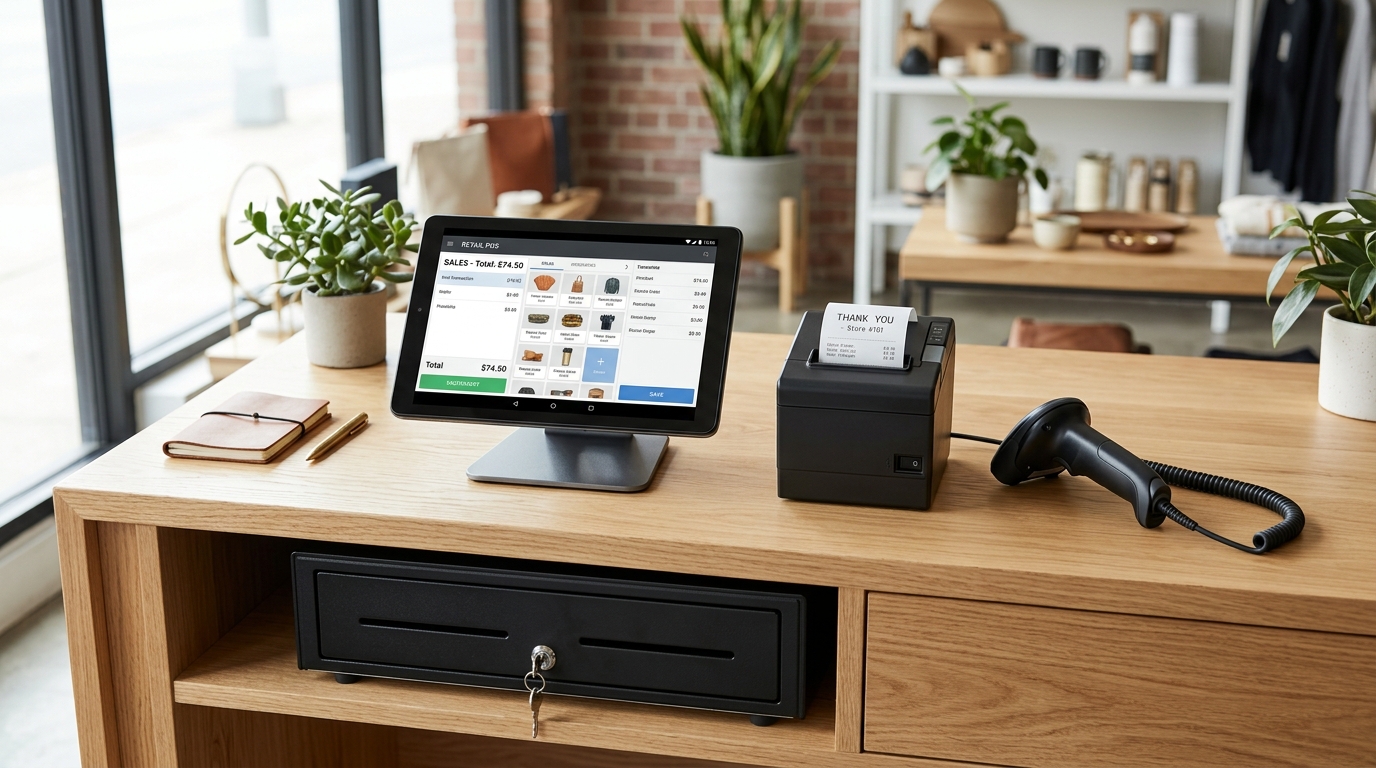
Opening a second or third location is the ultimate sign of business traction. Yet, for many retailers and F&B operators in Malaysia, expanding across multiple branches brings unexpected operational chaos. Disconnected inventory, untracked stock transfers, inconsistent pricing, and blind spots in cash reconciliation often turn a profitable brand into a logistical headache.
Traditional on-premise cash registers isolate store data. To scale sustainably, multi-unit merchants need a centralized, cloud-connected point-of-sale architecture. Here is how modern multi-outlet operators keep total control across branches directly from their smartphones.
---
1. The Core Bottlenecks of Multi-Store Expansion
When expanding from a single shop in Petaling Jaya to additional outlets in Subang and Johor Bahru:
- Inventory Discrepancies: Branch A sells out of high-velocity items while Branch B is sitting on dead stock.
- Untracked Stock Transfers: Goods moved between branches in staff vehicles or dispatch vans get lost or miscounted without digital proof of transfer.
- Cashier Discrepancies & Shrinkage: Without strict branch-scoped permissions, cashiers can execute unauthorized discounts or cash voids without HQ awareness.
- Delayed End-of-Day Reporting: Owners waste hours chasing branch supervisors on WhatsApp for manual Z-reports and daily closing totals.
---
2. Centralized Master Catalog with Branch-Level Stock Allocation
A professional multi-outlet setup uses a single master catalog managed by HQ, with independent real-time stock balances per physical store.
Unified Master Data
Create SKUs, barcodes, supplier details, and descriptions once at the HQ level. Updates reflect automatically across every branch terminal, eliminating discrepancies where the same product has two different names or tax codes in different shops.
Dynamic Branch Pricing
While unified pricing simplifies brand trust, rent variations (such as prime mall locations vs. suburban shop lots) sometimes require location-specific price adjustments. An enterprise-ready POS lets you set an inherited master price while allowing authorized branch overrides.
The Two-Step Inter-Branch Transfer Protocol
Never allow informal stock shifting. Enforce an audited digital transfer pipeline:
- Dispatch (Origin Branch): The sender creates a transfer docket, scans items out, and the source inventory decreases immediately.
- In-Transit Tracking: Inventory is marked as moving between facilities, ensuring neither store overstates its available stock.
- Receipt & Reconciliation (Destination Branch): The receiving manager scans the received batch. Any damaged or missing items must be logged with reason codes before completing the transfer.
---
3. Granular Branch-Scoped Access Controls
Securing business integrity requires strict separation of duties across your workforce:
- Cashier Level: Restricted to their assigned terminal and physical store. Cashiers can only perform sales, scan barcodes, and accept customer payments. They cannot view cost prices, company-wide gross margins, or alter product information.
- Store Manager Level: Authorized to review local register shifts, initiate stock replenishment requests, and approve authorized returns or voids.
- HQ / Executive Level: Complete administrative authority to manage permissions, review multi-store profit-and-loss metrics, and adjust system-wide settings from any web browser or mobile tablet.
---
4. Real-Time Remote Analytics and Multi-Store Monitoring
A resilient cloud-connected POS with local offline fallback ensures daily checkout never halts during an internet outage, while feeding data to HQ whenever connectivity is active:
- Live Branch Benchmarking: Compare hourly throughput, average basket size, and conversion rates across all locations side by side.
- Automated Reorder Thresholds: Trigger purchase orders automatically when branch stock dips below predetermined buffer levels.
- Consolidated Financials: Generate audit-ready daily sales reports, tax breakdowns, and payment method reconciliations ready for your accounting software.
---
5. Summary & Next Steps
Scaling your store footprint should multiply your revenue, not your stress. By putting an offline-capable, multi-branch POS architecture in place, you establish a predictable operating foundation that scales effortlessly from 2 to 20+ locations.
Discover how GeminiPOS multi-store inventory, offline POS engine, and transparent subscription tiers empower growing Malaysian retailers.
---
> 💡 Related Guide: Discover the complete feature overview, local-first offline architecture, and multi-outlet workflows of our flagship POS system in Malaysia built for modern retail and F&B businesses.