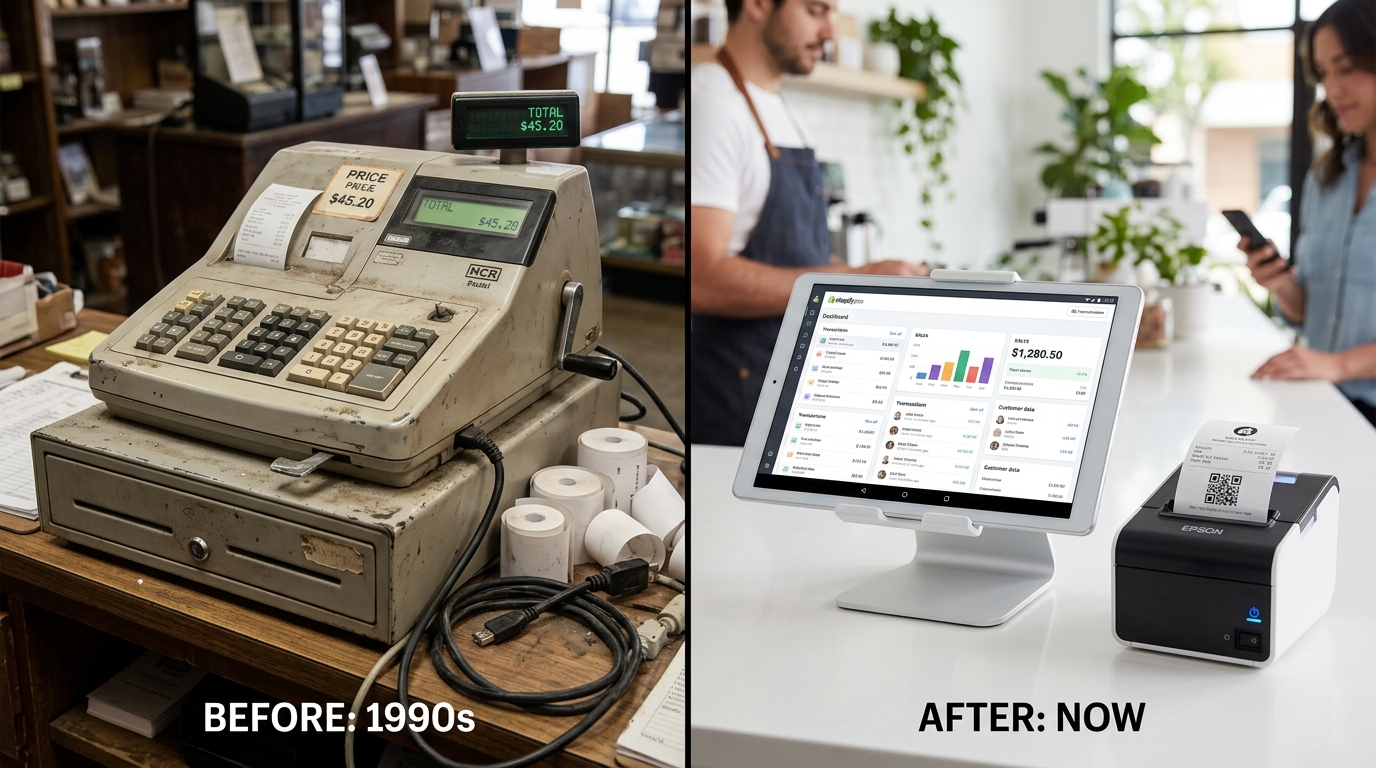
Modern retail is no longer defined by where a customer buys. Shoppers discover products on social video feeds, research specifications on web storefronts, purchase at physical checkout counters, or order online for local store pickup. Yet behind this fluid consumer journey, many retail operations remain divided into disconnected silos: one system managing in-store cash registers, and another handling online sales.
This operational divide leads to overselling, inventory inaccuracies, delayed order fulfillment, and frustrating customer experiences. This playbook outlines how unifying your physical POS with digital commerce channels creates a single, resilient inventory and sales engine.
---
1. The Cost of Channel Fragmentation
When in-store checkout and online commerce operate on separate databases:
- The Overselling Dilemma: A walk-in shopper buys the final unit of an item at the counter. Moments later, an online shopper places an order for the same item. The retailer is forced to cancel the digital order, damaging customer trust and suffering platform penalties.
- Fragmented Stock Allocation: Retailers often attempt to prevent overselling by arbitrarily earmarking inventory (e.g., 40% dedicated to web orders, 60% to the showroom). This creates artificial stockouts where an item is unavailable online despite sitting unsold on a retail rack.
- Disjointed Customer Profiles: A customer who regularly spends hundreds of dollars online walks into a physical store and is treated like a total stranger because the register has no record of their digital history.
---
2. Core Architectural Pillars of Unified Omnichannel POS
An enterprise-grade omnichannel engine connects physical registers with online sales channels through three core capabilities:
A. Real-Time Bi-Directional Inventory Webhooks
Every point of sale transaction must immediately trigger an inventory adjustment event across connected web catalogs and third-party marketplace adapters. When an item is scanned and paid for at a physical register, digital channels deduct available stock in real time.
B. Dynamic Safety Buffers and Threshold Rules
During viral social commerce campaigns or flash sales, order velocity can spike exponentially. Robust POS platforms allow merchants to set dynamic buffer thresholds (e.g., when physical stock reaches 2 units, digital channels automatically display "Sold Out"), preventing simultaneous race-condition purchases across channels.
C. Buy Online, Pick Up In-Store (BOPIS) and Store-Level Fulfillment
Turn your physical store into a micro-fulfillment center. Online orders appear on the store's POS console, allowing staff to pick items directly from retail shelves, verify barcodes, print thermal shipping slips, or stage items for customer pickup.
---
3. Operational Advantages of Unified Commerce Data
Consolidating physical and online transactions into a unified data model delivers distinct business benefits:
- Accurate Gross Margin Analysis: Understand real profitability per sales channel after factoring in payment processing fees, shipping costs, and platform take-rates.
- Frictionless Customer Retention: Capture customer identities seamlessly at counter checkout via digital WhatsApp/SMS receipts, inviting walk-in customers to browse your digital catalog from home.
- Predictable Supplier Replenishment: Forecast purchasing needs based on aggregated demand signals from all channels rather than disjointed estimates.
---
4. Conclusion
Omnichannel retail is not a luxury reserved for multinational retail giants. By implementing an offline-ready, cloud-connected point of sale that integrates natively with online storefronts, independent retailers can eliminate stockouts, streamline operations, and deliver seamless shopping experiences everywhere their customers buy.
Explore GeminiPOS online storefront tools, inventory management solutions, and current pricing plans.